
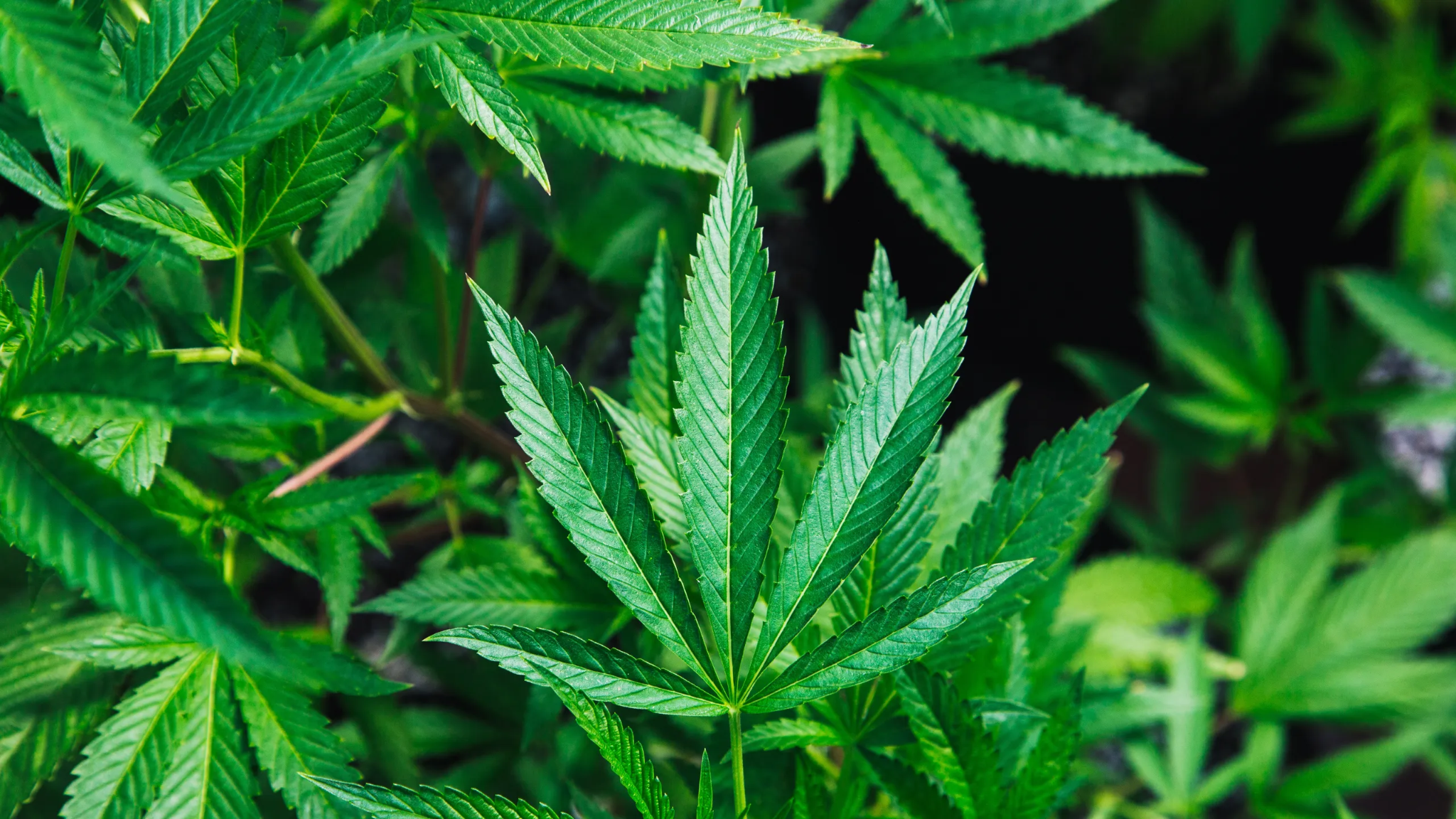
Easiest place to buy weed in Europehas become one of the most talked-about topics in health, science, and public policy as cannabis laws continue to evolve across the world. Whether people are interested in weed for medical treatment, recreational use where it is legal, or simply want to understand the facts, having accurate information is essential. Weed is derived from the cannabis plant and contains naturally occurring compounds that affect the body's endocannabinoid system. As research expands and regulations change, weed continues to gain attention from healthcare professionals, lawmakers, researchers, and consumers alike. This guide explains what cannabis is, how it is regulated, its medical applications, recreational use, potential benefits, risks, and what the future may hold for the cannabis industry.
What Is Weed?
Weed is the common term for cannabis, a flowering plant that has been cultivated for thousands of years for medicinal, industrial, and recreational purposes. Cannabis contains more than 100 naturally occurring chemical compounds known as cannabinoids.
The two most well-known cannabinoids include:
THC (Tetrahydrocannabinol)
THC is the psychoactive compound responsible for the intoxicating effects associated with cannabis. Different cannabis strains contain varying THC levels, which influence their effects.
CBD (Cannabidiol)
CBD is a non-intoxicating cannabinoid that has gained popularity for its potential therapeutic applications. Many medical cannabis products contain balanced ratios of THC and CBD depending on their intended use.
Types of Weed Products
Modern cannabis markets offer a wide range of products designed for different consumer preferences and legal frameworks.
Dried Cannabis Flower
This remains one of the most common forms of cannabis and is available in licensed markets where permitted.
Cannabis Oils
Cannabis oils are often used for medical purposes because they allow more precise dosing.
Edibles
Edible cannabis products include gummies, chocolates, baked goods, beverages, and other infused foods. These products typically have delayed effects compared to inhaled cannabis.
Concentrates
Cannabis concentrates contain higher levels of cannabinoids and are regulated differently in many jurisdictions.
CBD Products
CBD products generally contain little or no THC and may be available under separate legal regulations depending on the country.
Understanding Weed Laws
Cannabis legislation differs widely across the world. Some countries have legalized weed for both medical and recreational purposes, while others continue to prohibit possession and distribution.
Recreational Cannabis Laws
Jurisdictions allowing recreational cannabis usually regulate:
- Minimum purchase age
- Possession limits
- Licensed dispensaries
- Product testing
- Advertising restrictions
- Home cultivation
- Taxation
These regulations are designed to improve consumer safety while controlling distribution.
Medical Cannabis Programs
Medical cannabis programs allow patients with qualifying health conditions to access cannabis through healthcare professionals.
Typical requirements include:
- Medical evaluation
- Physician recommendation
- Government registration where applicable
- Licensed dispensary purchases
- Ongoing medical supervision
Medical cannabis regulations continue expanding in many countries.
Countries Where Cannabis Remains Illegal
Many governments still prohibit cannabis possession, cultivation, and distribution. Penalties vary considerably and may include fines, criminal charges, or imprisonment.
Travelers should always understand local cannabis laws before visiting another country.
Medical Uses of Weed
Medical cannabis has become an active area of scientific research. Healthcare providers in certain jurisdictions may recommend cannabis-based treatments for specific medical conditions.
Chronic Pain Management
Some patients use cannabis as part of comprehensive pain management strategies under medical supervision.
Epilepsy Treatment
Certain CBD-based medications have received regulatory approval for treating specific forms of epilepsy.
Multiple Sclerosis
Cannabis-derived medicines may help reduce muscle stiffness and spasticity in some patients.
Cancer Treatment Support
Medical cannabis may assist in managing chemotherapy-related nausea, vomiting, and appetite loss when prescribed by healthcare professionals.
Sleep and Anxiety Research
Researchers continue studying how cannabis may affect sleep disorders and anxiety, although recommendations depend on individual medical circumstances and current scientific evidence.
Recreational Use of Weed
Where legally permitted, adults may choose to use cannabis recreationally.
Responsible recreational use includes:
Following Local Laws
Consumers should always understand legal possession limits and age requirements.
Purchasing Licensed Products
Buying regulated cannabis products helps ensure quality, labeling accuracy, and laboratory testing.
Avoiding Impaired Driving
Cannabis may affect reaction time and judgment. Driving under the influence is prohibited in many jurisdictions.
Understanding Product Potency
THC concentrations vary widely between products, making dosage awareness important.
Weed Safety and Quality Standards
Regulated cannabis industries emphasize consumer protection through strict quality control.
Laboratory Testing
Licensed cannabis products are commonly tested for:
- THC and CBD content
- Heavy metals
- Pesticides
- Mold
- Bacteria
- Residual solvents
Testing improves product consistency and safety.
Packaging Regulations
Many jurisdictions require cannabis products to include:
- Child-resistant packaging
- Health warnings
- Ingredient lists
- Cannabinoid content
- Batch numbers
- Manufacturing information
These labeling requirements help consumers make informed decisions.
Benefits and Risks of Weed
Like many regulated substances, cannabis presents both potential benefits and possible risks.
Potential Benefits
- Relief from certain chronic pain conditions
- Improved appetite for some medical patients
- Reduced chemotherapy-related nausea
- Muscle relaxation for qualifying conditions
- Expanded treatment options in medical care
Potential Risks
- Temporary impairment
- Reduced coordination
- Short-term memory effects
- Anxiety in some individuals
- Dependence for certain users
- Legal consequences where cannabis remains prohibited
Understanding both the benefits and risks promotes responsible decision-making.
The Future of Weed
Cannabis policies continue evolving as governments evaluate new scientific research and public health data.
Future trends may include:
Expanded Medical Research
Scientists continue studying cannabinoids and their potential therapeutic applications.
Improved Regulations
Governments are strengthening quality standards, licensing systems, and consumer protections.
Consumer Education
Public education campaigns increasingly focus on responsible cannabis use and legal compliance.
International Policy Changes
More countries continue reviewing cannabis legislation based on emerging evidence and regulatory experiences from other regions.
Conclusion
Weed remains one of the most rapidly evolving topics in medicine, law, and public policy. As scientific research expands and legal frameworks continue changing, understanding cannabis has become increasingly important. Whether discussing medical cannabis, recreational legalization, consumer safety, or future regulations, education is the foundation for making informed decisions. Individuals should always remain aware of local laws, consult healthcare professionals when considering medical cannabis, and use cannabis responsibly where it is legally permitted.
FAQs
1. What is weed?
Weed is a common name for cannabis, a plant that contains cannabinoids such as THC and CBD, which interact with the body's endocannabinoid system.
2. Is weed legal worldwide?
No. Cannabis laws vary by country, state, and region. Some jurisdictions allow medical or recreational use, while others continue to prohibit cannabis.
3. What conditions may medical cannabis help treat?
Depending on local regulations and medical guidance, cannabis may be used for chronic pain, epilepsy, multiple sclerosis, chemotherapy-related symptoms, and other qualifying conditions.
4. Why is laboratory testing important for cannabis?
Laboratory testing helps verify cannabinoid content while screening for contaminants such as pesticides, mold, heavy metals, and harmful bacteria.
5. What is the difference between THC and CBD?
THC is the psychoactive cannabinoid that produces intoxicating effects, while CBD is non-intoxicating and is commonly studied for its potential therapeutic properties.