
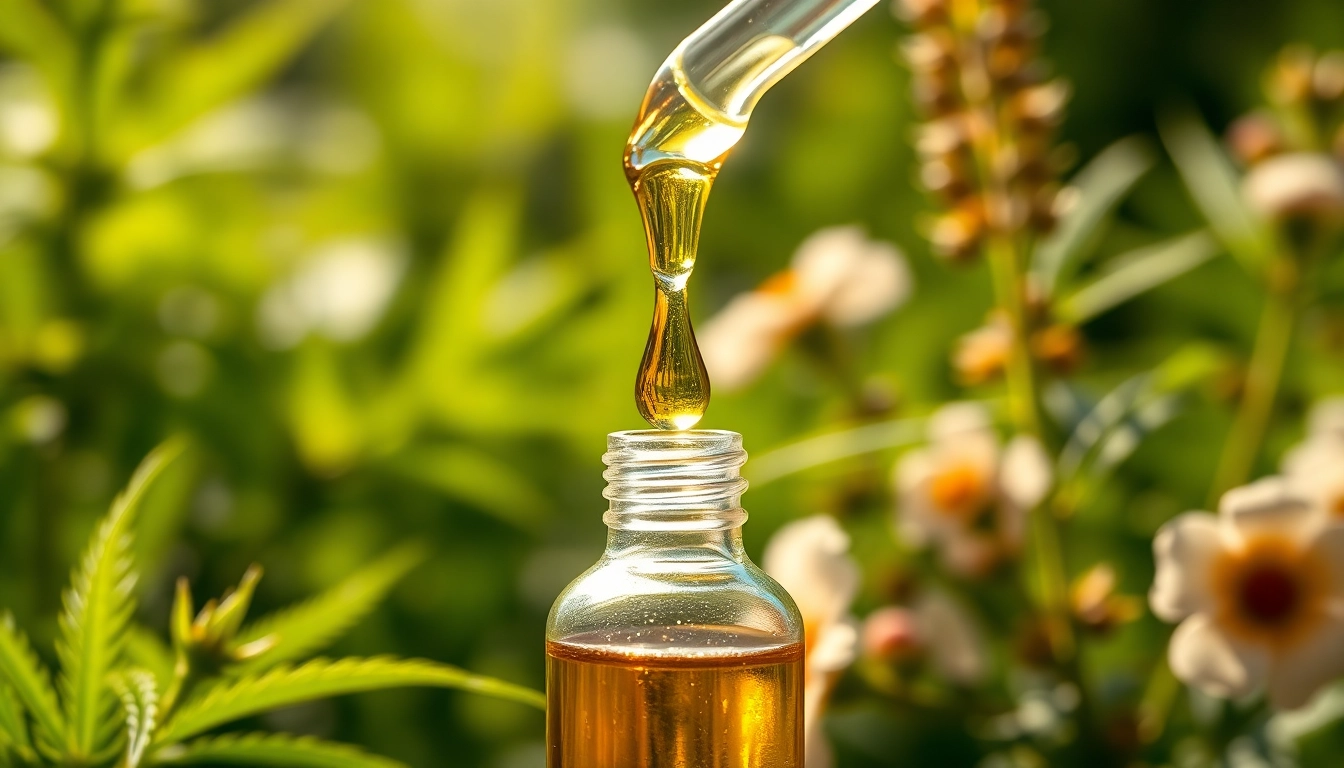
Introduction to CBD: What Is It?
Cannabidiol, commonly known as CBD, is one of over 100 chemical compounds found in the cannabis plant. Unlike its more famous counterpart, tetrahydrocannabinol (THC), CBD does not have psychoactive properties and is not responsible for the "high" associated with marijuana. Its increasing popularity is largely due to its potential therapeutic benefits, which have sparked interest in both scientific research and the health and wellness industries.
Definition and Origins of CBD
CBD is derived from the hemp variety of the Cannabis sativa plant. Hemp has been cultivated for thousands of years for its fibers and seeds, but only recently has CBD gained traction as a natural remedy. Originating from various regions such as Asia, CBD can now be extracted via several methods, including CO2 extraction and ethanol extraction, ensuring a pure product devoid of harmful substances. The compound interacts with the endocannabinoid system (ECS), a complex cell-signaling system present in the human body, which plays a crucial role in regulating various physiological processes.
How CBD Works in the Body
The ECS consists of endocannabinoids, receptors, and enzymes. When consumed, CBD interacts primarily with CB1 and CB2 receptors, although its exact mechanisms are not fully understood. It is believed that CBD influences the ECS to promote homeostasis, a state of balance within the body. This interaction may help modulate pain responses, immune system functions, and mood regulation, leading to its diverse therapeutic applications.
Common Forms of CBD Products
CBD is available in various forms, catering to different preferences and needs:
- Oils and Tinctures: Concentrated CBD liquids that can be taken sublingually, allowing for quick absorption.
- Edibles: CBD-infused foods, such as gummies or chocolates, providing a tasty alternative for those averse to oils.
- Topicals: Creams and balms infused with CBD, designed for localized relief of pain and inflammation.
- Capsules: CBD in pill form for precise dosage, convenient for those who prefer not to taste CBD.
- Vapes: CBD vape pens deliver instant effects for rapid relief, though long-term effects are still under study.
Health Benefits of CBD: What the Research Says
Research into the health benefits of CBD has exploded in recent years, with numerous studies suggesting its potential in managing various health issues.
Potential Effects on Pain and Inflammation
One of the most widely recognized uses for CBD is its potential to alleviate pain and reduce inflammation. Several studies report that CBD may lower chronic pain by interacting with neurotransmitters and alleviating inflammation. Conditions like arthritis, multiple sclerosis, and neuropathic pain are often highlighted in research exploring how CBD may benefit those suffering from chronic pain. For example, a 2018 study indicated that CBD reduced pain and improved sleep in patients with arthritis, showcasing its potential as a viable treatment option.
CBD for Anxiety and Mental Health
Anxiety and depression are prevalent mental health conditions that impact millions worldwide. CBD's calming properties have sparked interest as a potential treatment. Research indicates that CBD may help reduce anxiety by altering serotonin levels in the brain. A study published in the Journal of Psychopharmacology in 2019 demonstrated CBD's effectiveness in reducing social anxiety during public speaking tasks. Furthermore, CBD has been noted to exhibit potential in treating PTSD, showing promise in alleviating symptoms related to trauma.
Applications in Neurological Disorders
Another promising area of CBD research lies in its applications for neurological disorders, including epilepsy. The FDA has approved Epidiolex, a CBD-based medication for treating specific types of epilepsy, underlining its efficacy and safety in managing seizure disorders. Additionally, preliminary studies suggest CBD may have neuroprotective properties that could benefit conditions such as Alzheimer's and Parkinson's disease, leading researchers to explore its therapeutic potential further.
Risks and Side Effects Associated with CBD
While CBD is often considered safe, it is important to be aware of potential side effects and interactions.
Common Side Effects to Be Aware Of
CBD can produce side effects in some users, though they are typically mild. Commonly reported side effects include:
- Dry mouth
- Diarrhea
- Reduced appetite
- Drowsiness or fatigue
- Changes in weight
These side effects often depend on dosage and individual responses, making it crucial for new users to start with a low dose and gradually increase it as tolerated.
Potential Interactions with Other Medications
Another consideration when using CBD is its potential to interact with other medications. CBD may inhibit the liver enzymes responsible for drug metabolism, altering the effects of certain medications, including blood thinners and anti-seizure medications. It is essential to consult a healthcare professional before incorporating CBD into your routine, especially if you are currently taking other medications.
Guidelines for Safe Usage
To ensure safe and effective use of CBD, consider the following guidelines:
- Consult Your Doctor: Especially if you have pre-existing health conditions or are on medication.
- Start Low, Go Slow: Begin with a low dose and gradually increase based on your response.
- Choose Quality Products: Opt for products that provide third-party lab results to verify purity and potency.
Choosing High-Quality CBD Products
With the rise in popularity of CBD, the market has become saturated with various products. Knowing how to select quality CBD is crucial.
Identifying Authentic CBD Brands
Not all CBD products are created equal. When choosing a CBD brand, look for transparency about sourcing, extraction methods, and production processes. A reputable brand will provide detailed information about their product formulations and sourcing practices, helping you make informed choices.
Importance of Third-Party Testing
Independent third-party testing is critical in the CBD industry. It verifies the quality, potency, and safety of the product. Always check for lab results that include cannabinoid profiles and the presence of contaminants like heavy metals or pesticides. This practice ensures you are consuming a safe and effective product.
Reading CBD Product Labels Effectively
Understanding how to read CBD labels can help you make informed decisions. Key components to look for include:
- Cannabinoid Concentration: The total amount of CBD per serving should be clearly stated.
- Ingredients List: Ensure there are no harmful additives and that entire-plant extracts are used.
- Serving Size: Look for recommended serving sizes to help with dosage control.
Legal Status and Future of CBD
The legal landscape surrounding CBD is evolving, shaped by ongoing research, consumer demand, and changing perceptions of cannabis.
Current Legal Regulations in the U.S.
In the United States, the 2018 Farm Bill legalized the cultivation of hemp, making CBD products derived from hemp legal at the federal level, provided they contain less than 0.3% THC. However, regulations can vary widely by state, and companies must navigate a complex legal landscape when marketing their products.
The Future of CBD Research and Market Trends
The future of CBD holds great promise, with ongoing research exploring its myriad potential applications in health and wellness. As more studies verify its efficacy and safety, consumer interest will likely continue to grow, leading to increased market demand for high-quality products. The expansion of CBD into areas like food and beverages indicates a trend towards mainstream acceptance.
Consumer Advocacy and Changes in Legislation
Increased consumer advocacy plays a significant role in shaping legislation around CBD. As more individuals seek transparency and quality, lobbying efforts for clearer regulations and stricter quality control measures are likely to gain momentum. Educated consumers will drive the market towards safer practices, encouraging brands to prioritize quality and ethical standards.