
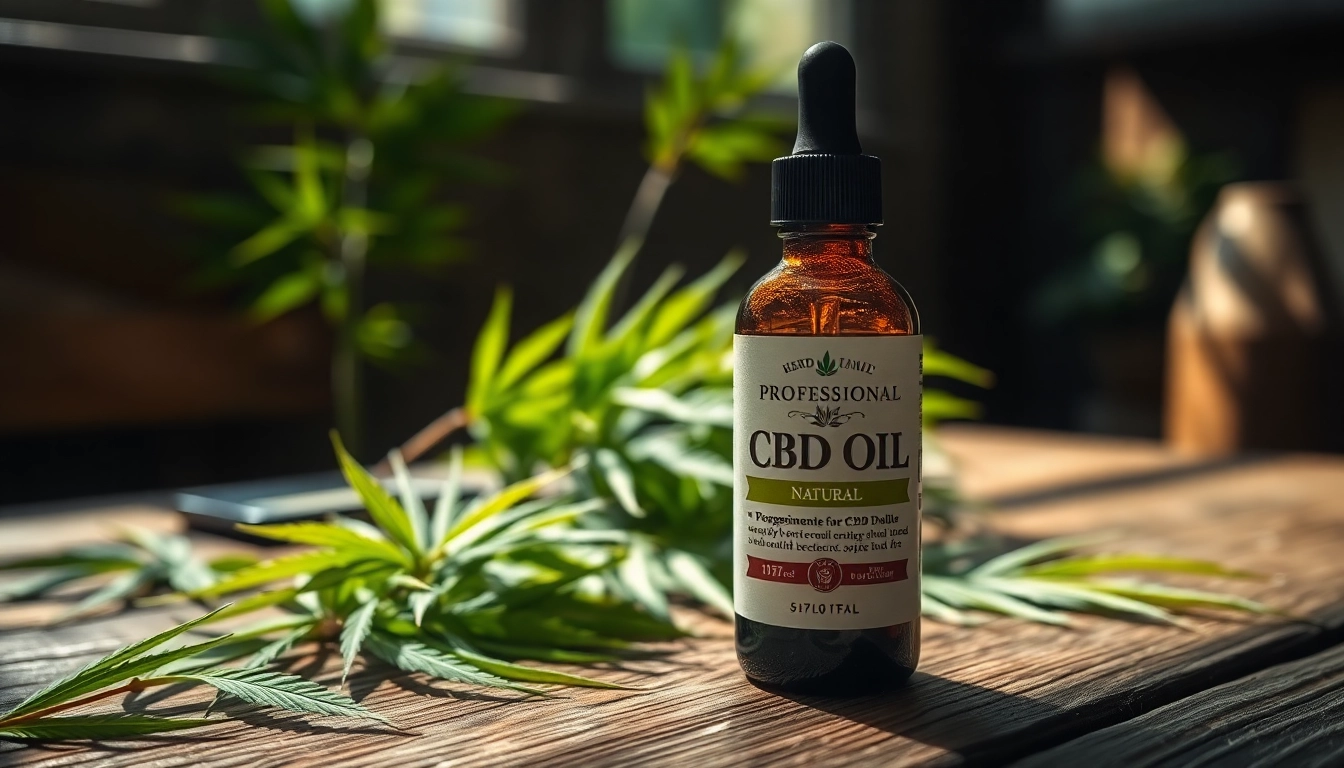
Understanding CBD Oil
What is CBD Oil?
CBD oil, short for cannabidiol oil, is a product derived from the cannabis plant. Unlike its more famous counterpart, THC (tetrahydrocannabinol), CBD does not produce psychoactive effects, meaning it doesn't create a "high." This property has made CBD oil appealing to those seeking relief from various ailments without the intoxicating effects associated with marijuana. The oil is extracted from the flowers, leaves, and stalks of hemp plants, which contain high levels of CBD but minimal THC. CBD Oil has been increasingly recognized and utilized for its diversity of health benefits, making it an essential component of a growing wellness market.
How is CBD Oil Extracted?
The extraction process of CBD oil is crucial in determining its purity and effectiveness. Several methods are commonly employed:
- CO2 Extraction: This is the gold standard in the CBD industry. Pressurized carbon dioxide is used to pull CBD and other beneficial compounds from the plant material. This method is safe, efficient, and results in high-quality oil without residual solvents.
- Solvent Extraction: Solvents like ethanol or butane can be used to extract CBD oil. While this method can be effective, it can also result in residual solvents being left in the product if not properly purged.
- Olive Oil Extraction: This method uses heated olive oil to extract CBD from the plant material. While it’s safe and easy, the shelf life is shorter compared to oils extracted through other methods.
- Steam Distillation: In this method, steam is passed through the plant material, causing the essential oils to evaporate and then condense back into liquid, capturing various compounds, including CBD.
The extraction method chosen impacts the overall quality and safety of the CBD oil, so it's essential to understand the differences when selecting a product.
Legal Aspects of CBD Oil
The legal status of CBD oil has evolved significantly over the past few years, especially following the passage of the 2018 Farm Bill in the United States, which legalized hemp-derived CBD products. However, legality can vary between state laws and regulations regarding cannabis. In general, CBD oil sourced from hemp that contains less than 0.3% THC is federally legal, while marijuana-derived CBD oil can still be illegal in various jurisdictions. It’s critical for consumers to stay informed about local regulations and ensure that any purchased CBD oil is compliant with the law.
Health Benefits of CBD Oil
CBD Oil and Pain Management
One of the most touted benefits of CBD oil is its potential for pain relief. Numerous studies suggest that CBD interacts with the body’s endocannabinoid system to modulate pain perception. By influencing receptors in the brain and immune system, CBD might reduce inflammation and alleviate chronic pain. Conditions like arthritis, multiple sclerosis, and fibromyalgia are examples where patients have reported significant pain management improvements through CBD oil.
CBD Oil for Anxiety and Stress Relief
Many individuals have turned to CBD oil for its potential anxiolytic (anxiety-reducing) effects. Preliminary research indicates that CBD may alter serotonin signals in the brain, assisting those who suffer from social anxiety disorder, generalized anxiety disorder, and even post-traumatic stress disorder (PTSD). Users report feeling more relaxed and less anxious, leading to improved sleep and overall well-being.
Potential Neuroprotective Properties of CBD Oil
Emerging research has indicated that CBD oil may possess neuroprotective properties. Studies suggest it could help in conditions like epilepsy and neurodegenerative diseases such as Alzheimer’s and Parkinson’s by reducing inflammation and oxidative stress in the brain. For instance, the FDA has approved Epidiolex, a CBD-based medication, to treat certain forms of epilepsy. This approval demonstrates the potential therapeutic benefits of CBD oil in addressing serious neurological conditions.
How to Use CBD Oil
Dosage Guidelines for CBD Oil
Determining the appropriate dosage of CBD oil can be somewhat challenging due to the lack of standardized guidelines. Each individual’s body chemistry, weight, metabolism, and severity of their condition can impact how they respond to CBD. Here are some general guidelines for dosing:
- Start with a low dose (around 5-10 mg) and gradually increase until you find your effective dosage.
- Consider consulting with a healthcare professional, especially if you are taking other medications or have underlying health conditions.
- Monitor your body's response over a few weeks, adjusting the dose as needed.
It is essential to keep track of the dosage and its effects, as it may vary from person to person.
Best Methods of Consumption for CBD Oil
CBD oil can be consumed in several ways, each offering different absorption rates and longevity of effects:
- Sublingual: Placing CBD oil under the tongue for 30-60 seconds allows for faster absorption into the bloodstream and quicker effects.
- Ingesting: CBD oil can be added to food or drinks, although this method may take longer to feel the effects due to the digestive process.
- Topical Application: CBD-infused creams or lotions can be applied directly to the skin, making them suitable for localized pain or inflammation.
- Vaping: Inhaling CBD oil through a vaporizer allows for rapid delivery to the bloodstream, but there are concerns about the long-term health effects of vaping.
Each method has its advantages, and the choice often depends on personal preferences and desired effects.
Integrating CBD Oil into Your Daily Routine
Incorporating CBD oil into your daily routine can be straightforward, and here are some tips to help facilitate this process:
- Start Slow: Begin with a few drops of CBD oil in the morning and gradually adjust based on your personal response.
- Combine with Other Wellness Practices: Consider pairing CBD oil with practices like meditation, yoga, or a healthy diet to enhance overall wellness.
- Maintain Consistency: Use CBD oil regularly to experience potential cumulative effects over time.
Finding a routine that suits you will allow you to maximize the benefits of CBD oil effectively.
Choosing the Right CBD Oil
Factors to Consider When Selecting CBD Oil
With numerous CBD oils on the market, choosing the right product can be daunting. Below are essential factors to consider:
- Source of Hemp: Look for products sourced from reputable farms that adhere to industry standards for quality and sustainability.
- Type of CBD: Understand the differences between full-spectrum, broad-spectrum, and CBD isolate to select the right product for your needs.
- Third-Party Testing: Ensure the product has been tested by independent laboratories for quality, purity, and cannabinoid content.
By being informed about these factors, consumers can make educated choices when selecting CBD oil products.
Understanding CBD Oil Labels
Deciphering CBD oil labels is critical in understanding what you are purchasing. Here are key components to look for:
- Concentration: This indicates how much CBD is present in the bottle (usually expressed in mg). Choose based on your personal dosage needs.
- Ingredients: Check for any other ingredients or additives. Pure CBD oil should ideally contain minimal ingredients beyond the carrier oil.
- Expiration Date: Always check the expiration date to ensure the product is still effective.
Taking the time to understand labels will help you ensure that you are getting a safe and effective product.
Evaluating Quality and Purity of CBD Oil
Quality and purity are paramount when selecting CBD oil. Here are ways to evaluate these aspects:
- Certificates of Analysis (COA): Request COA from manufacturers, which should list cannabinoid profiles as well as any contaminants detected through testing.
- Reputation of the Manufacturer: Research the company’s history, customer reviews, and compliance with industry standards.
- Production Method: As discussed in the extraction section, the method can influence purity. Prefer CO2 extraction for the highest quality.
Prioritizing quality and purity ensures you are investing in a product that is safe, effective, and trustworthy.
Cautions and Side Effects of CBD Oil
Common Side Effects of CBD Oil
While many people use CBD oil without significant issues, some may experience side effects. Common side effects include:
- Dry mouth
- Drowsiness or fatigue
- Changes in appetite
- Nausea
It’s advisable to start with a low dose and monitor your body's response. If you experience adverse effects, consult with a healthcare professional.
Potential Drug Interactions with CBD Oil
CBD oil can interact with various medications, particularly those metabolized by the liver. Common drugs that may interact include:
- Blood thinners
- Antidepressants
- Antiepileptic drugs
If you are taking any medications, it's essential to consult with your healthcare provider to discuss potential interactions and adjust treatments as necessary.
When to Consult a Healthcare Professional about CBD Oil
If you are considering using CBD oil, it is wise to consult with a healthcare professional, especially if you are:
- Currently taking medications
- Pregnant or breastfeeding
- Living with a serious health condition
Professional advice can help ensure you utilize CBD oil safely and effectively while managing other health concerns.