
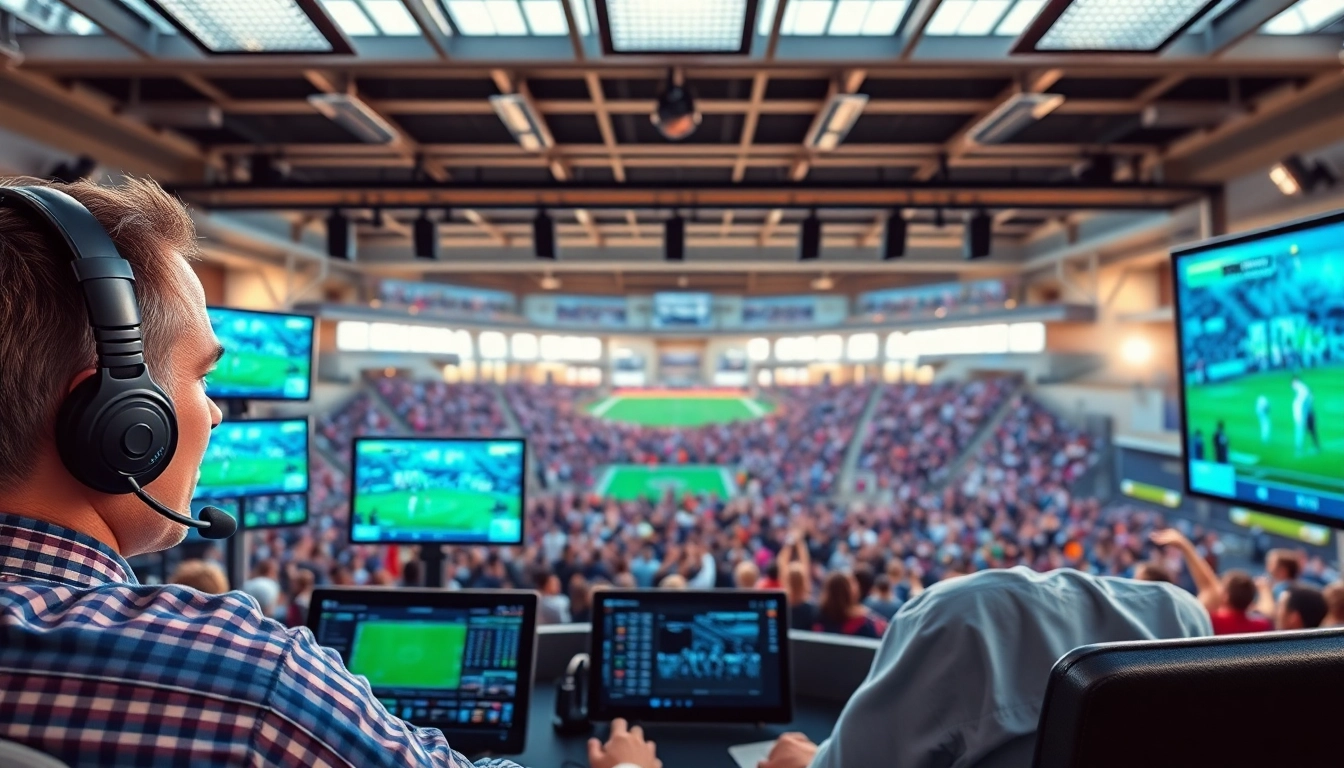
Understanding the Fundamentals of Sports Broadcasting
What is Sports Broadcasting?
Sports Broadcasting is a dynamic field that involves the transmission of live sports events, coverage, and associated commentary through various media channels such as television, radio, and online streaming platforms. It serves as a vehicle for delivering real-time updates, highlights, and analyses to sports enthusiasts worldwide, making it an integral part of the sporting experience. In today's digital age, Sports Broadcasting transcends traditional boundaries, engaging viewers across diverse platforms and devices, and adapting to their consumption preferences.
History and Evolution of Sports Broadcasting
The roots of sports broadcasting can be traced back to the early 20th century, when radio emerged as the primary medium through which fans could experience live sports. The 1920s saw the first live broadcasts of major sporting events, capturing the imagination of audiences who were eager to connect with their favorite teams and athletes. The advent of television in the 1950s revolutionized the industry, allowing for enhanced visuals and sound, further immersing fans in the experience.
As technology progressed, the introduction of satellite broadcasting in the 1970s expanded the reach of sports events to a global audience. The rise of cable networks in the 1980s and 1990s led to the emergence of dedicated sports channels, creating a culture where live sports programming became ubiquitous. The late 2000s ushered in the era of online streaming, enabling fans to watch events on-demand and participate in interactive engagements, fundamentally transforming how audiences consume sports.
Key Roles in Sports Broadcasting
Understanding the various roles within sports broadcasting is essential to grasp the full scope of the industry. Key players include:
- Producers: Oversee the entire broadcast, coordinating logistics, managing timelines, and ensuring seamless execution.
- Commentators: Provide live play-by-play or analytical commentary, enhancing viewer understanding and engagement.
- Cameramen: Capture the visual elements of the game, ensuring that viewers have an immersive experience.
- Technical Crew: Manage equipment and ensure high-quality audio-visual transmission, including sound engineers and graphic operators.
- Reporters and Analysts: Offer insights, conduct interviews, and deliver contextual information, enriching the narrative around the event.
Technologies Transforming Sports Broadcasting
Latest Equipment for High-Quality Production
The demand for high-quality visuals and sound has propelled the advancement of technology within the broadcasting industry. State-of-the-art cameras, such as 4K resolution and even 8K capable equipment, are now essential assets for sports broadcasts. Innovations such as drones for aerial footage provide unique perspectives that were previously unavailable, enhancing the viewer's experience.
Further, broadcasting now integrates augmented reality (AR) graphics that highlight player statistics or strategies during live games, creating an interactive layer for viewers. High-quality microphones are also critical for capturing clear commentary and crowd reactions, which add depth to the broadcast atmosphere.
Live Streaming Innovations in Sports
With the rise of digital media, live streaming sports events has become a key component of sports broadcasting. Technologies such as high-speed internet and mobile streaming platforms enable fans to watch live events on-the-go, paving the way for greater accessibility. In addition, features like multi-cam angles or personalized commentary streams allow viewers to tailor their viewing experience according to preferences.
Notably, many sporting organizations have embraced platforms like Twitch and YouTube to reach younger audiences, offering interactive experiences that blend gaming and sports. This approach not only increases engagement but also expands the traditional boundaries of fan interaction with the sport.
The Role of Social Media in Sports Broadcasting
Social media has become a powerful tool that complements traditional sports broadcasting. Platforms like Twitter, Instagram, and Facebook allow broadcasters to share real-time updates, behind-the-scenes content, and highlight reels that engage fans beyond the live broadcast. Through social media, interactive polls, and Q&A sessions generate instant feedback and enhance viewer participation.
Additionally, branded content and influencer collaborations within the social media landscape have provided sports organizations and broadcasters with creative avenues to reach wider audiences, generating new revenue streams and expanding brand loyalty among fans.
Crafting Compelling Sports Commentary
Techniques for Effective Play-by-Play Commentary
Effective play-by-play commentary is crucial for captivating audiences during live broadcasts. Commentators should: be descriptive yet concise, use clear language, maintain an energetic tone to reflect the game’s pace, and engage the audience by anticipating their emotional reactions. Utilizing storytelling techniques helps create an immersive experience, allowing viewers to feel as if they are part of the action.
Moreover, researching teams and players beforehand equips commentators with knowledge that enriches the broadcast, enabling them to provide context and enhance the viewer’s understanding of critical moments.
Storytelling Elements in Sports Journalism
Storytelling is a fundamental element in sports journalism that goes beyond the scoreboard. Producers and commentators should focus on narratives that resonate with audiences, such as player backgrounds, team journeys, and pivotal moments in sports history. Engaging narratives can create emotional connections with viewers, leading to a memorable viewing experience.
Techniques such as using player interviews, behind-the-scenes footage, and crafting thematic arcs can help in constructing these stories, aligning with viewers’ emotional highs and lows throughout the broadcast.
Building a Personal Brand as a Sports Commentator
In today’s competitive landscape, building a unique personal brand is vital for sports commentators. This can be achieved by developing a distinct voice, cultivating a recognizable appearance or style, and engaging effectively through social media platforms. By sharing insights, opinions, and behind-the-scenes content, commentators can connect with their audience directly, fostering loyalty and recognition that extends beyond the broadcast.
Participating in community events or hosting podcasts can further enhance visibility, helping commentators establish themselves as thought leaders within the sports broadcasting community.
Engaging Your Audience through Interactive Content
Using Polls and Q&A Sessions in Live Broadcasts
Incorporating polls and Q&A sessions into live sports broadcasts has proven effective in boosting engagement. Broadcasters can use interactive platforms to pose questions to the audience, allowing them to influence the broadcast experience in real time. This practice not only fosters community interaction but also provides valuable insights into viewer preferences and behaviors.
Resulting data can guide future broadcasts, ensuring that content aligns with audience interests while enhancing overall viewer satisfaction.
Creating Behind-the-Scenes Content for Fans
Behind-the-scenes content offers fans a deeper connection with their favorite teams and athletes. Incorporating footage from practices, team meetings, or player interviews can personalize the viewing experience, making fans feel more involved. This content can be shared through social media, creating a bridge between live broadcasts and fan engagement, which has become increasingly important in the competitive landscape of sports broadcasting.
The Impact of Fan Engagement on Viewing Experience
Understanding the role of fan engagement is crucial for retaining viewership in sports broadcasting. Engaged fans are more likely to share content, attend games, and remain loyal to their teams. Using analytics to track engagement metrics, broadcasters can adjust their strategies to ensure they meet audience expectations and interests. Whether through interactive content, social media presence, or personalized messaging, the art of engaging fans is essential in elevating the viewing experience.
Metrics to Measure Success in Sports Broadcasting
Analyzing Viewer Ratings and Engagement Rates
Viewer ratings are a key metric for understanding the success of sports broadcasts. This analysis includes tracking live viewership numbers, peak viewing times, and the demographics of audiences. Engagement rates, which measure interactions through comments or shares, provide additional insights into audience satisfaction and interest levels. Together, these metrics help broadcasters gauge what content resonates most and identify trends that can inform future programming.
Using Feedback to Improve Broadcasting Quality
Collecting and analyzing viewer feedback is instrumental in refining broadcasting strategies. Surveys or social media monitoring can gather audience opinions on commentary styles, production quality, and overall experience. By responding to feedback and implementing suggested improvements, broadcasters can enhance viewer satisfaction and increase retention rates.
The Future of Sports Broadcasting Metrics
As technology advances, the sophistication of metrics in sports broadcasting will evolve. New analytics tools will provide deeper insights into viewer preferences and behavior, allowing for more tailored broadcasting experiences. Predictive analytics will enable broadcasters to anticipate audience reactions and preferences, further enhancing the interactive aspect of broadcasting and ensuring relevancy in an ever-changing digital landscape.
Frequently Asked Questions
What is the main purpose of sports broadcasting?
The main purpose is to deliver live sports events and related commentary to viewers, providing real-time information and engaging content.
How has technology impacted sports broadcasting?
Technology has enhanced the quality of broadcasts, introduced digital streaming, and enabled interactive experiences, revolutionizing how fans engage with sports.
What roles exist within sports broadcasting?
Key roles include producers, commentators, cameramen, technical crews, and reporters, each contributing to the overall broadcast experience.
Why is fan engagement important in sports broadcasting?
Fan engagement fosters community, increases loyalty, and drives viewership, making it essential for successful sports broadcasting.
What metrics are important in sports broadcasting?
Important metrics include viewer ratings, engagement rates, and feedback analysis, which help broadcasters measure success and refine content strategies.